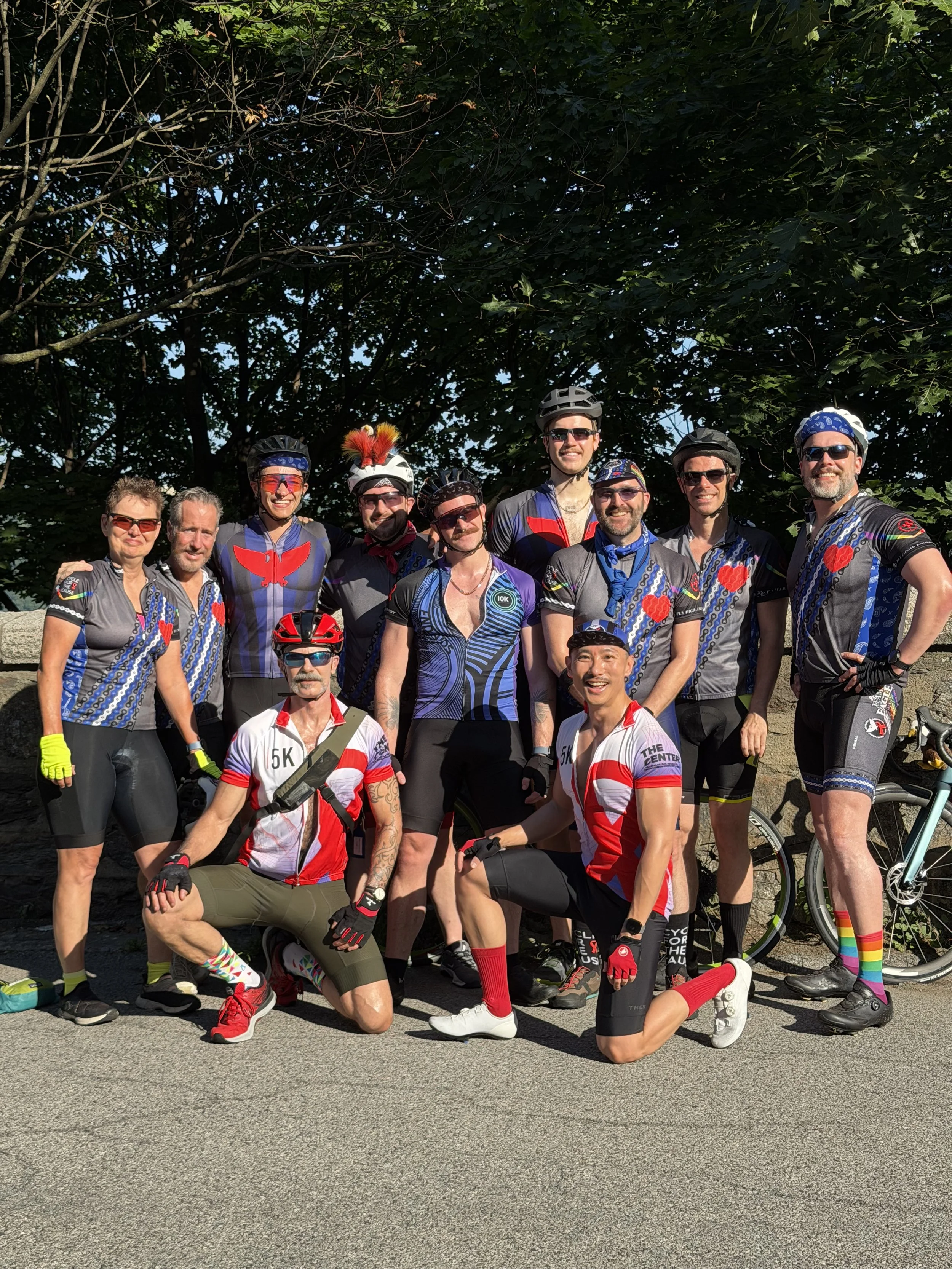
Riding Guide
This guide is for longer-distance rides.
No matter whether you are riding with Team Eagle, a few teammates, or on your own.
Use it to prepare your bike, plan your route, ride safely, fuel properly, communicate clearly and handle issues on the road.
Long rides are more fun when everyone is prepared. Bring what you need, know where you are going, ride within your ability and look out for the people around you.
We ride to end HIV & AIDS. We also ride to get each other home.
1
How Team Eagle Rides
We ride together and make smart decisions to keep every rider safe.
Team Eagle training rides are coordinated through WhatsApp.
Rides are usually proposed by teammates. Anyone can suggest a ride, share a route and invite others to join.
Ride coordinators help set the route, pace, meeting points and regroup stops. Each rider should still review the route, bring what they need and ride within their ability.
You can join for part of a ride, turn back early or meet the group along the way. Challenge yourself, but know your limits. If there is an active ride on the road, keep the WhatsApp thread focused on ride updates. If you are not riding, hold non-essential messages until the ride is over.
If a ride becomes more than expected, speak up, ask for help, turn around or use a public transit bail point like Metro-North or the MTA.
2
Quick Safety Note
Wear a helmet. Follow local traffic laws. Signal.
Ride predictably and with care for the people around you.
Never ride on state or federal highways, parkways or restricted roadways.
Team Eagle rides are built on trust. Show up prepared, communicate clearly and make smart decisions on the road.
3
Before Your First Ride
Get Ready
Make sure your bike is in good working order
Check tire pressure, brakes, chain, shifting, lights, and bottle cages.
if in doubt, take your bike to a mechanic.Learn how to fix a flat
Or at least carry what another rider needs to help you.
Medical ID, Insurance Info & Emergency Contacts
Save them on your phone, carry a physical copy, or print them on your helmet.Include emergency contacts, medical conditions, medication allergies, current medications, blood type if known, and any critical notes a responder should see quickly.
Review the recommended gear list.
Start with a distance and pace that makes sense for you.
Know your tire pressure, tire size, brake type, tube size, and how your shifting works. Talk to your mechanic if you are unsure.
Consider a professional bike fit if you plan to ride longer distances often. It can be a good investment, but it can also be costly.
Set up Ride with GPS & join the Team Eagle club.
If you need help getting set up, ask your team captain for access.
Prepared does not mean perfect. It means you are ready to ride, learn and handle the basics.
4
Recommended Gear
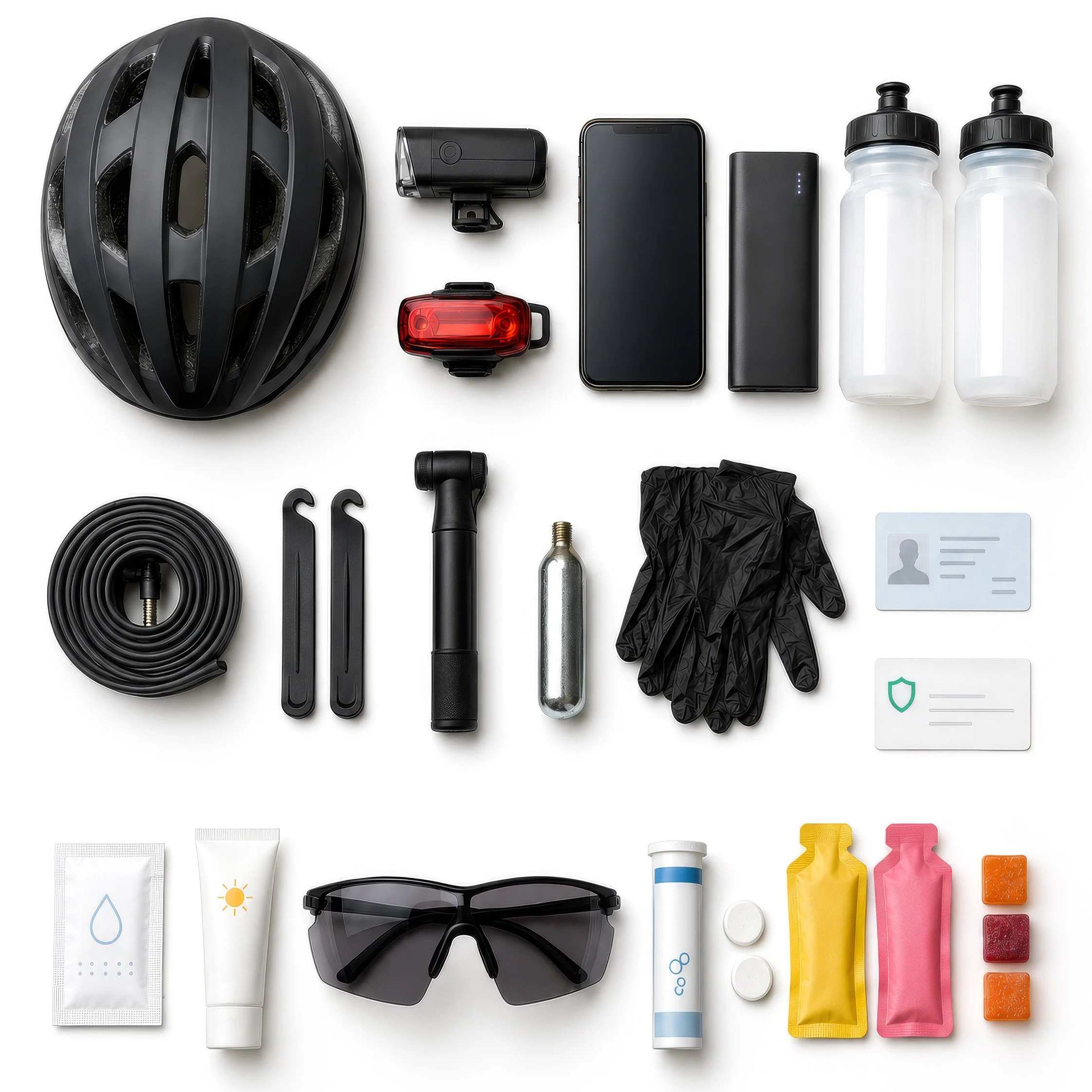
Safety first
Helmet
Riding gloves
Sunglasses
Sunscreen
Front and rear bike lights
ID and insurance information
Charged phone
Spare battery or power bank for longer rides
Flat tire / roadside basics
Spare tube or tubeless repair kit
Tire levers
Pump or CO₂
Disposable gloves for tire changing
Single-use hand sanitizer, such as Purell
Hydration & fuel
Two water bottles
Electrolyte powder or tablets
Gels, snacks or energy candy
Optional
if you’re fancy
Stuffed Eagle
Speaker
Headphones and earbuds are not permitted during the Cycle for the Cause event.
There are many good options out there, and more seasoned teammates have tested plenty of them. Use the Team Eagle Recommended Gear list as a starting point: [Google Sheet link]
5
Before Every Ride
Set yourself up before you roll out.
The Night Before
Review the route & meeting point.
Charge electronics:
Phone, bike computer, watch, lights and electronic shifting.
Check tire pressure, brakes and chain.
Pack tools, tube or repair kit
Refill snacks and electrolytes.
Fill your bottles.
For hot days, half / angle-freeze bottles.
For very hot days, fully freeze bottles.
Plan bailout options if the ride is long or unfamiliar.
The Morning of
Eat
Apply sunscreen & anti-chafing cream
such as Chamois Butt’r.
Turn on Strava, Ride with GPS or your smartwatch if tracking.
Update the group if you are running late.
During an active ride, keep WhatsApp focused on essential updates for riders.
6
Fuel,
Hydration
& Heat
Eat before you are hungry.
Drink before you are thirsty.
For longer rides, aim for steady fuel throughout the ride. A good starting point is 40g+ of carbs per hour from gels, chews, bars, snacks or sports drink.
Bring electrolytes, especially in summer. Water alone may not be enough on hot, humid or longer rides.
Heat changes the ride. Start earlier, ride shorter, take breaks and use public transit if needed. There is no prize for overheating.
If you feel dizzy, chilled, nauseous, confused or unusually weak, stop and tell someone.
Not every Team Eagle traning ride will be planned through the app, but every rider should get familiar with it before Cycle for the Cause.
Do not rely on “I’ll just follow the group.” Know the distance, elevation, stops and bailout options before rollout.
Before a ride:
Open the official route link.
Download the route at home or at the hotel on Wi-Fi.
Save the route for offline use.
Turn on voice navigation if helpful.
Bring a power bank for longer rides. The app can use a lot of battery.
Ask for help before ride day if you need it.
If you want to join the Team Eagle club on Ride with GPS, i.e. access the app for free, or if you want a route added to the Team Eagle library, contact the team captain at least a few days in advance.
Hold your line.
Keep a safe distance.
Do not overlap wheels.
Avoid sudden braking or swerving.
Call out hazards.
Signal before turning or stopping.
Pass only when it is safe.
Check behind you before moving left or pulling out.
Crossing train tracks as close to 90 degrees as possible.
Slow down, straighten your bike and avoid braking while crossing.
Get off and walk your bike if needed.Regroup at agreed stops.
If you are leaving early, taking a bailout option or splitting from the group, tell someone clearly before you go.
If the pace feels too fast, say something. Good group rides work because riders communicate.
8
Group Riding Basics
Ride predictably. Small choices affect everyone around you.
9
Hand & Verbal Signals
Communicate early & clearly.
Use your voice & your hands.
Signals are not just for the riders behind you. They are for the people ahead or next to you, especially on narrow roads, tight shoulders, crowded paths, or two-way bike lanes where there may be little room or time to react.
Common calls:
On your left — when passing another rider, runner or pedestrian.
Walker up / runner up / rider up — someone is ahead. Riders behind you may need to slow down or move over.
Slowing — when reducing speed.
Stopping — when coming to a stop.
Car back — car approaching from behind.
Car up — car approaching from ahead.
Hole / glass / gravel — road hazard.
Call them out when you need both hands on the bars.
Single up — move into single file.
Not clear — unsafe to proceed.
Clear — safe to proceed.
Use sparingly; every rider should still check for themselves.
Flat / mechanical — rider needs help.
Turns
Arm extended straight out in the direction you are turning. Use this before turning or moving across the lane.
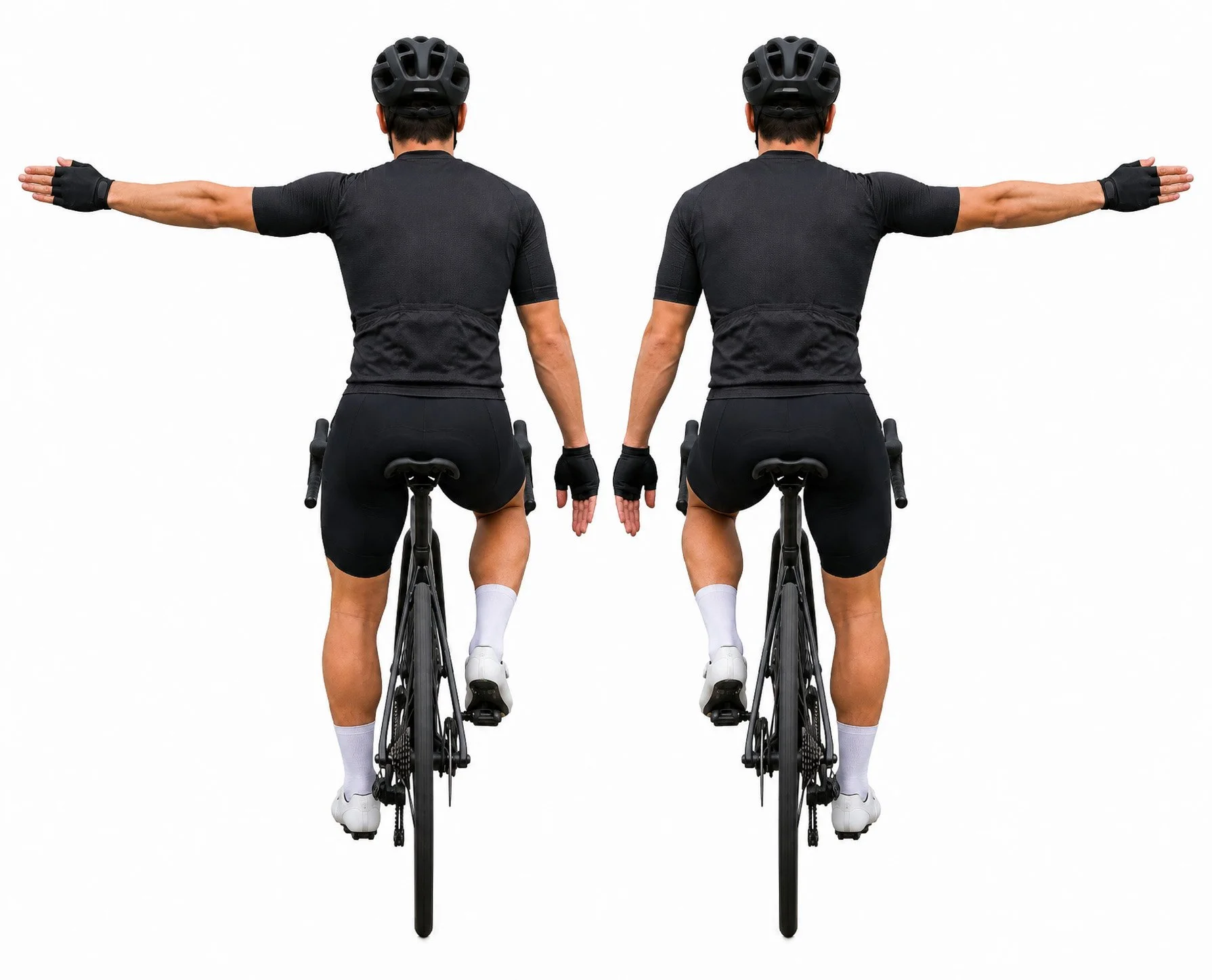
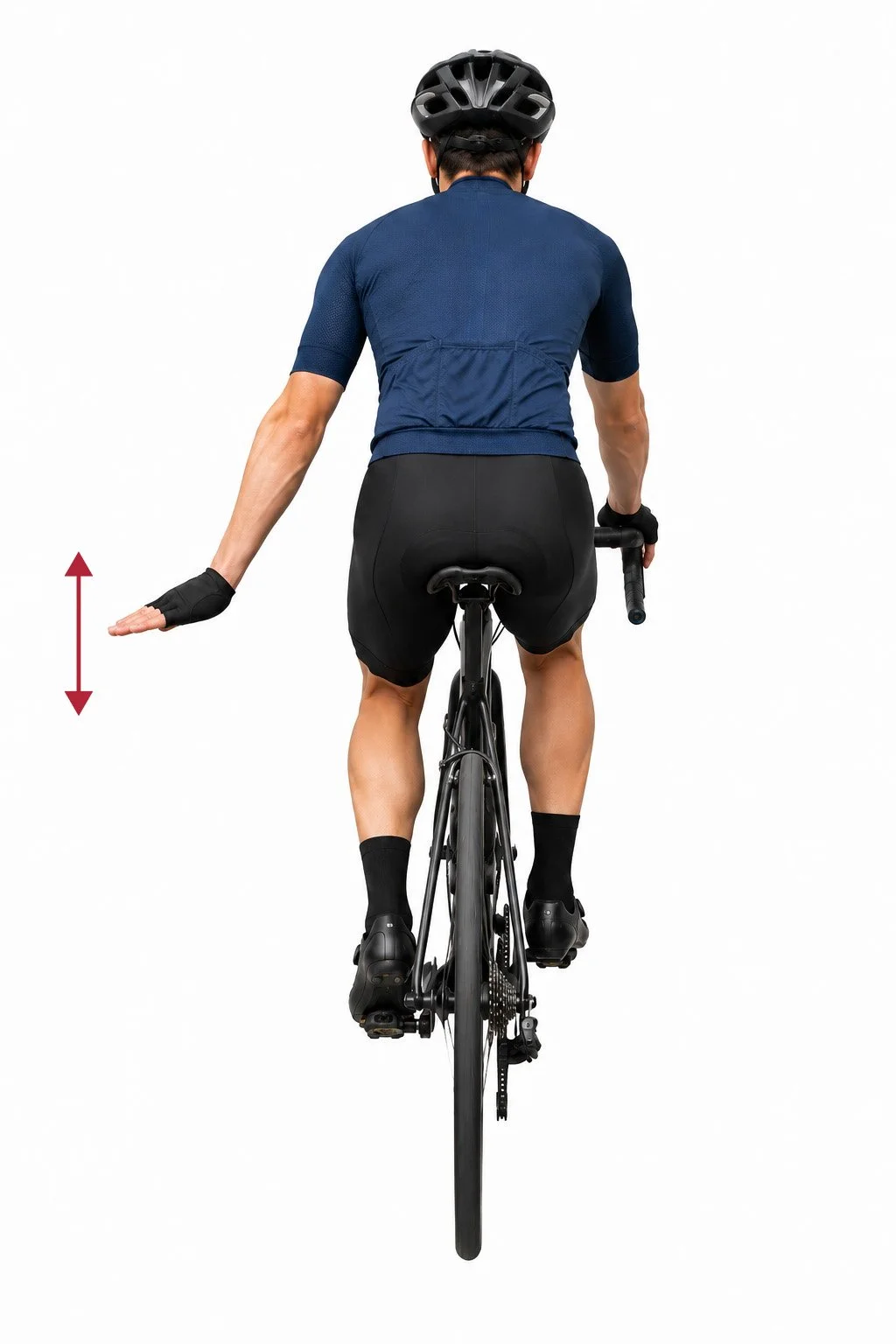
Slowing
Arm extended low with palm facing back or down. Use this when reducing speed so riders behind you have time to react.
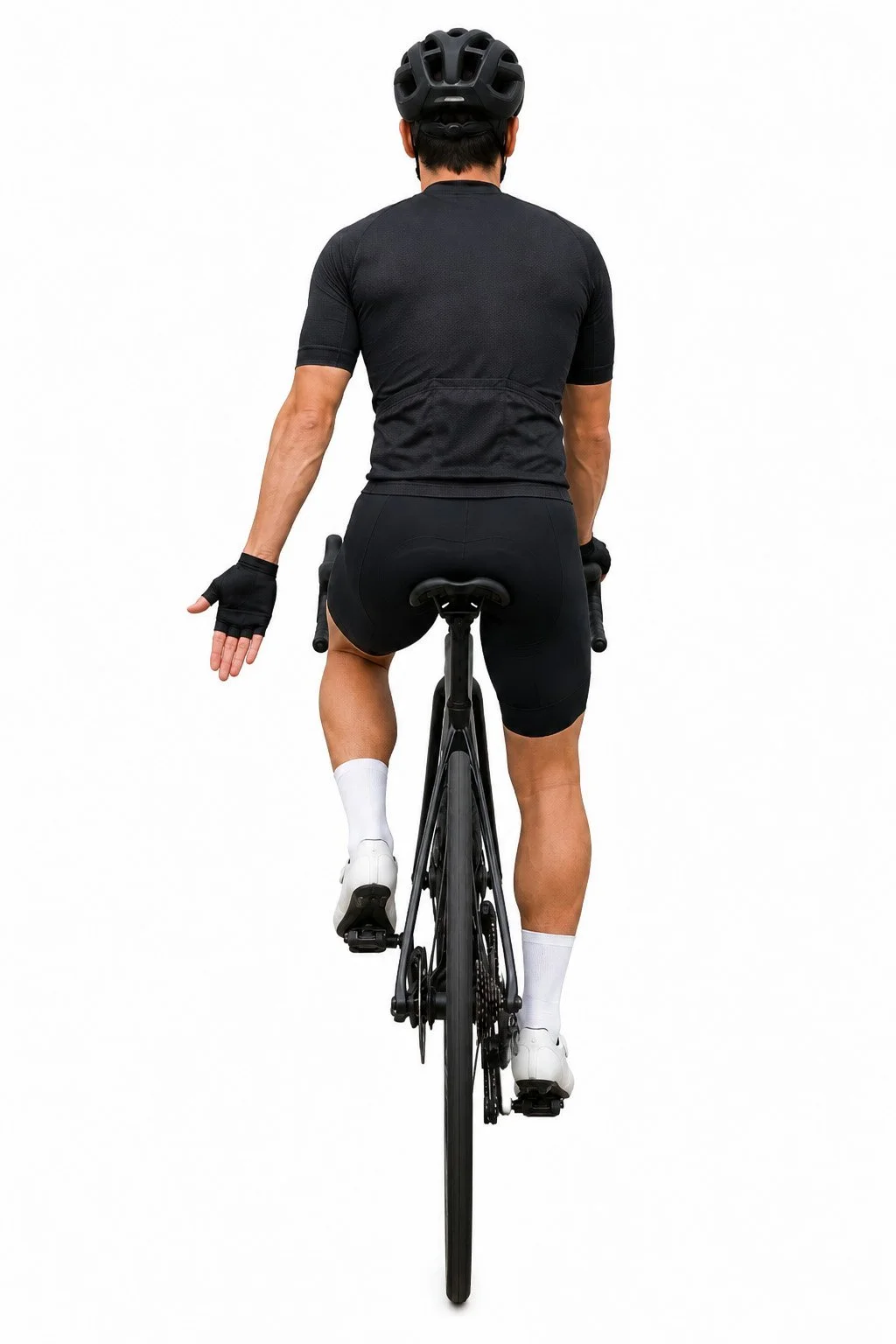
Stopping
Arm extended low with palm facing back or down. Use this when coming to a full stop. Call “stopping” as well.
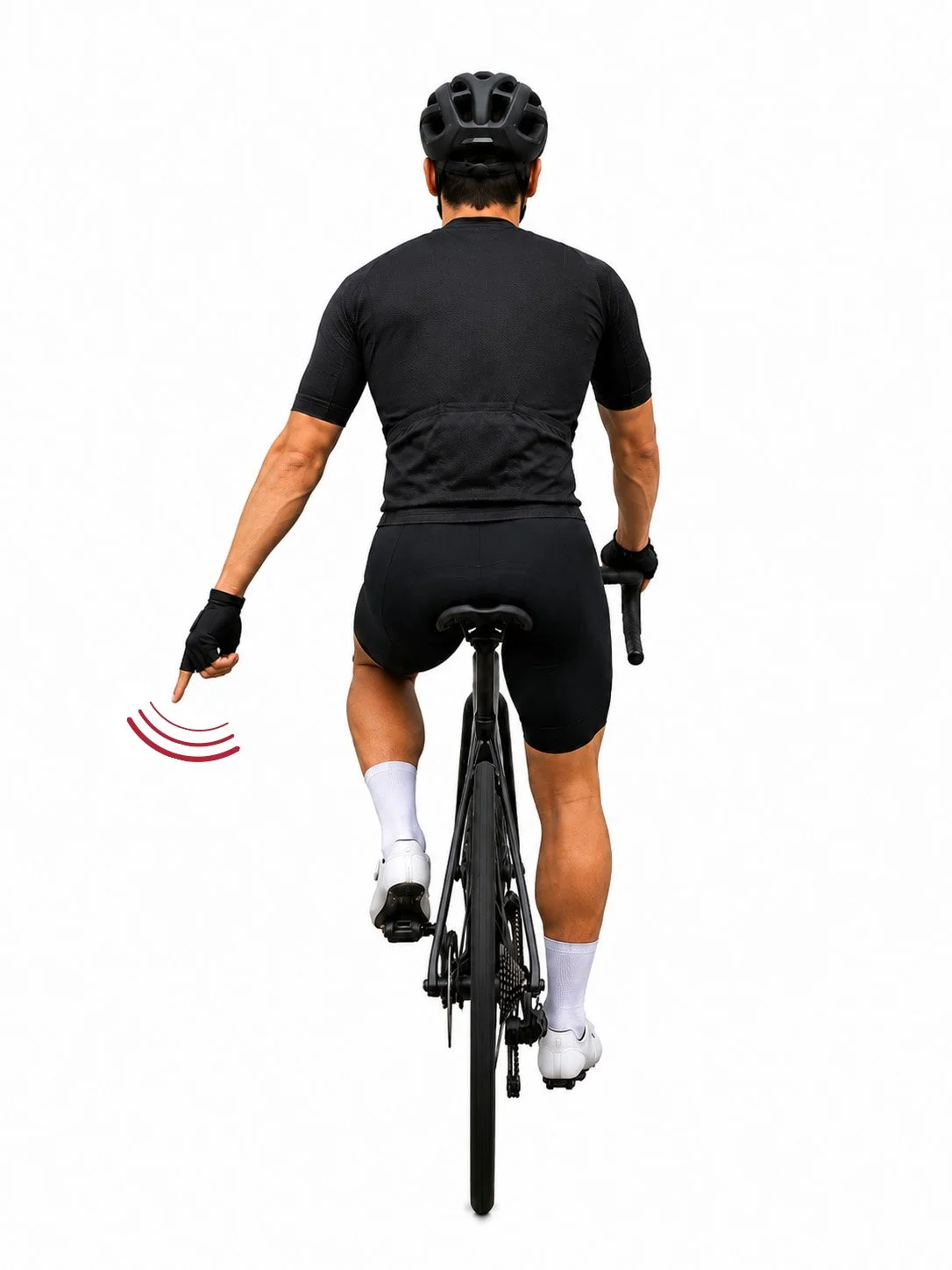
Road Hazard
Point down or make a small circling motion toward the hazard on the side where it is located. Call it out when you cannot safely point, or to reinforce the signal.
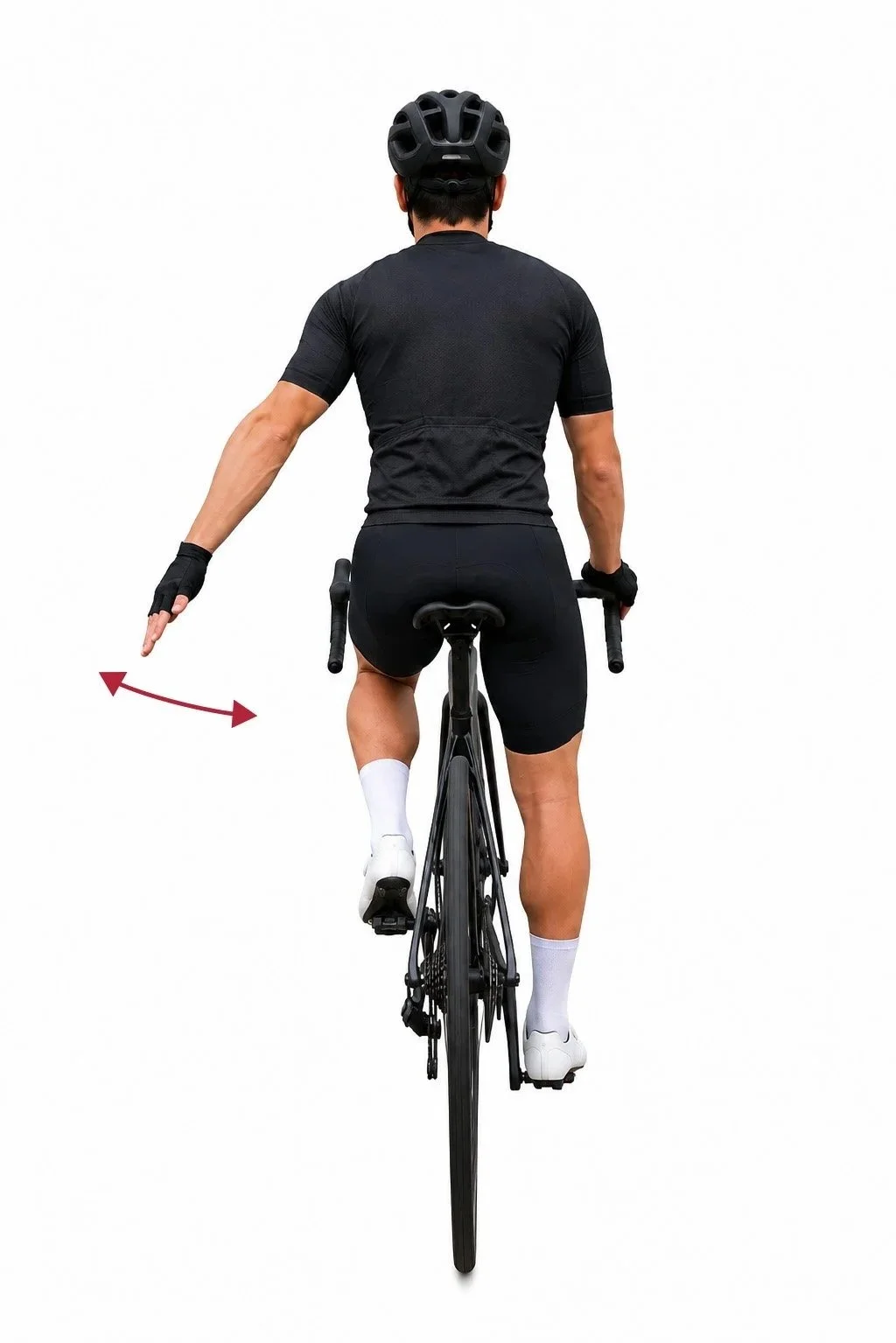
Single Up / Stay Right
Arm extended low to the right, pointing riders toward the right side of the lane. Use this when the group needs to move into single file, stay right or make room for traffic.
10
If Something
Goes Wrong
Stay calm. Get safe.
Communicate clearly.
Flat tire
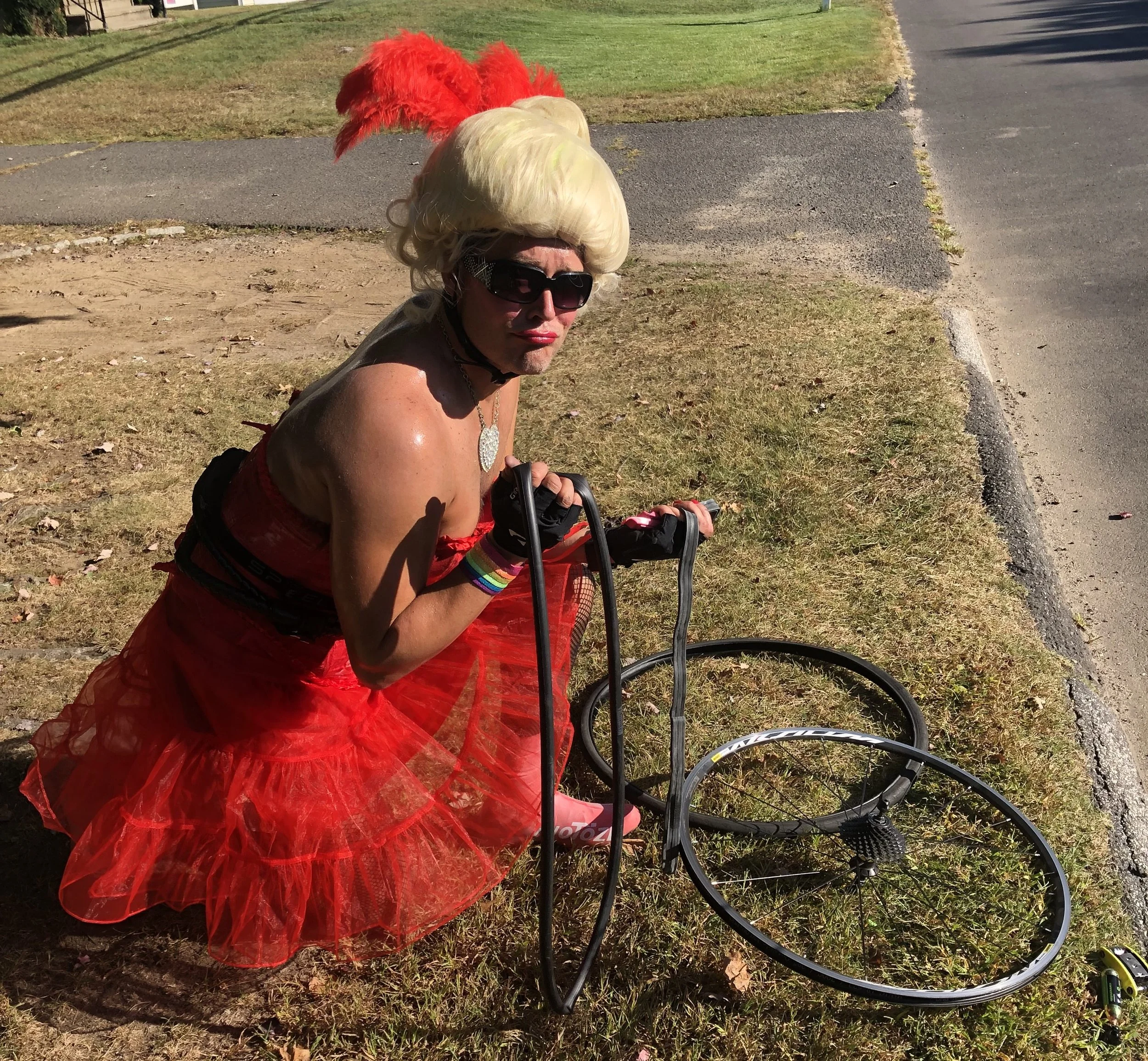
Move fully out of the road before stopping. Tell the group you have a flat.
Use your own tube, repair kit, tire levers and pump or CO₂. Teammates can help, but every rider should carry the basics.
How to fix a flat: YouTube guide↗
Mechanical issue
If something feels wrong, stop before it gets worse. Do not keep riding with loose brakes, shifting problems, rubbing wheels or strange noises.
If the bike is not safe to ride, use a bike shop, public transit or pickup option.
Rider separated from group
Message the group. Share your location if helpful. Say whether you are continuing, turning back or taking transit.
Accident or crash
Check the rider before checking the bike.
Move out of traffic if possible.
Do not move an injured rider unless they are in immediate danger.
Call 911 if anyone is hurt, confused, bleeding heavily, hit their head or if a driver leaves the scene.
Have one person stay with the rider.
Have one person manage traffic or warn the group.
Document the scene: license plate, driver information, vehicle, bike, road condition, intersection, injuries and damaged gear.
Get witness names and phone numbers before people leave.
Do not argue fault at the scene.
Do not say “I’m fine” before you know that you are.
Instead, say: “I’m not sure yet. I went down hard.”Tell the WhatsApp group what happened and who is staying behind.
After a crash, adrenaline lies. Get medical care if you hit your head, feel dizzy, feel confused, feel pain or notice symptoms later.
11
Typical
Training Routes
Team Eagle uses a few familiar routes for longer training rides.
Review the route before you join and know your bailout options.
To accommodate teammates coming from different boroughs, many planned Ride with GPS routes start at the base of the Manhattan Bridge on the Brooklyn side.
Typical meeting points along the route include:
The Anchor at the Intrepid Museum
The non-vehicle entrance to the George Washington Bridge
From there, riders continue based on the planned route, distance and regroup stops.
Explore Team Eagle routes here:
Nyack
via 9W
A classic Team Eagle training route.
Common stops include Strictly Bicycles, State Line, 9W Market, Piermont and Nyack. Riders may turn around at different points depending on distance and training level.
Nyack
via Henry Hudson Drive / Palisades Interstate Park
A more challenging alternative to 9W, often called River Road.
This route adds more climbing, fewer easy exits and changing park conditions. Check current access before riding, and use Ride with GPS for navigation.
Rail Trail
A good option for steadier mileage with fewer road sections.
Common access points include Van Cortlandt Park, Elmsford and the South County / North County Trailways.
Tarrytown
Metro-North Bailout
From Nyack, riders can cross the Governor Mario M. Cuomo Bridge toward Tarrytown and take Metro-North back to the city.
Bear Mountain
Advanced ride. Full day.
Requires route planning, navigation and a solid fitness base.
Do not attempt Bear Mountain without reviewing the full route, elevation, food stops and train return plan.
Review the route in advance & know your bailout options.
12
After the Ride
Tell the group when you are home or safely off the route.
Rehydrate and eat.
Stretch or cool down if helpful.
Charge your devices.
Refill your flat kit if you used anything.
Clean or lube your bike and bike chain as required.
And yes — post, tag, fundraise.
The ride counts.
13
Ride Risk,
Responsibility
& Local Law
Cycling has real risks. Roads, trails, weather, traffic and rider conditions can change quickly.
By joining a ride, you are responsible for your own bike, gear, fitness, route awareness and decisions on the road.
Follow local traffic laws. Stop at red lights and stop signs. Yield to pedestrians. Use bike lanes where available and safe.
Never ride on state or federal highways, parkways or restricted roadways.
Team Eagle training rides are organized by teammates and volunteers. We look out for each other, but every rider chooses to ride at their own risk.
Team Eagle NYC is a community group. Cycle for the Cause and The LGBT Community Center are the official event organizers. The Eagle Bar NYC supports the team but does not oversee training rides, handle funds or assume liability.
Full terms: https://teameaglenyc.org/terms